Greek Oregano
Joy of the Mountain • Carvacrol-Rich Wild Mediterranean Herb.
Explore the common forms, learn a little about the plant, and choose what suits your cupboard.
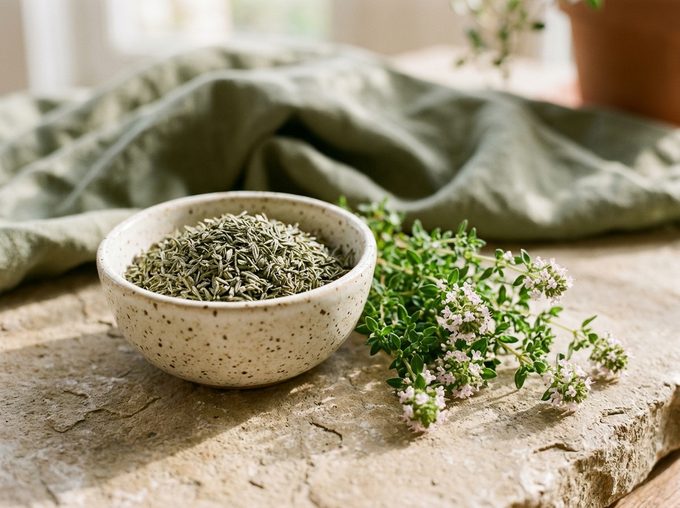
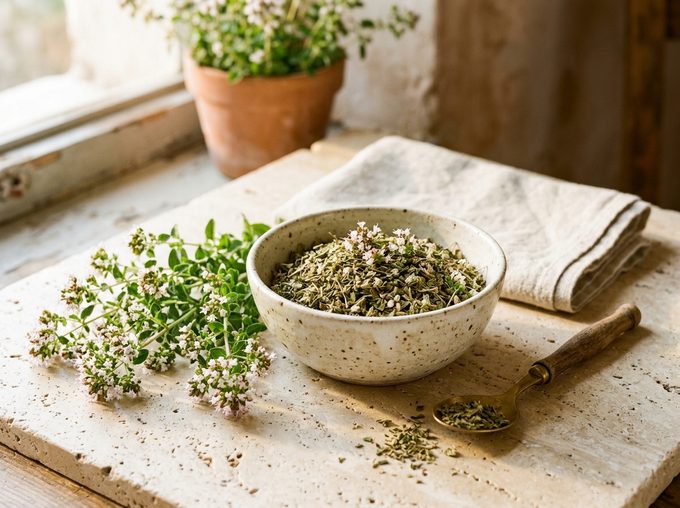
Whole dried greek oregano flowers for steeping and infusions.
A little about greek oregano.
The plant
Bold, fiery, savory, and peppery-warm with high carvacrol intensity that numbs the tip of the tongue slightly when chewed raw. Native to Greece & Aegean Mountains (Lamiaceae (Mint Family)).
The forms
Most often prepared as a savory herbal infusion using 1.5 g (1.5 tsp dried leaves & flower bracts) at 200°F–205°F (93°C–96°C) (8–10 min covered).
Before you choose
Check the label for the Latin name (Origanum vulgare hirtum), and choose the form that suits your cupboard.
Traditional uses & research +
Botanical taxonomy: Origanum vulgare hirtum (Lamiaceae (Mint Family)) · Tradition: Volatile Aromatics · Key constituents: Carvacrol, Thymol, Rosmarinic acid, Beta-caryophyllene.
Curated collections: Mediterranean Culinary & Hearth Herbs · Aromatic Steams & Soothing Leaves · Seasonal almanac: August Almanac (Late-Summer Mediterranean Harvest).
Traditional background: Derived from the Greekoros ('mountain') and ganos ('joy'), wild oregano blankets the rocky limestone slopes of Greece, where it is harvested in full flower bud and dried in shaded mountain sheds.
Everyday & kitchen uses: Essential in Mediterranean dressings, roasted vegetables, herbed olive oils, and robust savory herbal infusions.
Standard preparation methods (compare all 50 steeping temperatures):
- Savory Herbal Infusion (1.5 g (1.5 tsp dried leaves & flower bracts) at 200°F–205°F (93°C–96°C)): 8–10 min covered
- Botanical Steam Inhalation (1 tbsp Greek oregano + 1 tbsp thyme in 1 quart hot water at 205°F (96°C)): Inhale aromatic steam under a towel for 5 min
- Mediterranean Finishing Oil (2 tbsp crumbled flower buds in 1 cup extra-virgin olive oil at Room temp infusion): Steep 1 week in dark glass; drizzle over roasted vegetables
Cautions & interactions +
Who should use caution: Culinary and standard tea infusions are safe for general use. Concentrated oregano essential oil ('Oil of Oregano') is extremely high in carvacrol (70%+), can irritate mucous membranes if not diluted in carrier oil, and should not be taken internally during pregnancy.
Species & lookalike verification: True Greek Mountain Oregano (Origanum vulgare subsp. hirtum) is frequently confused with Sweet Marjoram (Origanum majorana, which is sweet, floral, and lacks carvacrol's peppery heat), Common Wild Marjoram (Origanum vulgare subsp. vulgare, which has pink flowers and very low essential oil), and Mexican Oregano (Lippia graveolens, a member of the Verbena family with citrus-anise notes).
Cupboard storage (amber glass guide): Keep whole oregano buds on the stem until use, then rub between the palms directly into the pot or teapot.
Sources & further reading +
Why does Greek oregano taste so much stronger than regular supermarket oregano?
True Greek oregano (Origanum vulgare subsp. hirtum) grows in rocky, sun-baked limestone mountains and produces up to 4%–5% essential oil rich in carvacrol. Many generic supermarket jars blend milder common marjoram varieties that have less than 0.5% volatile oil.
What is the difference between Greek oregano and Mexican oregano?
They belong to different plant families. Greek oregano is in the Mint family (Lamiaceae) and pairs with olive oil, lemon, and tomatoes; Mexican oregano (Lippia graveolens) is in the Verbena family (Verbenaceae) and has a woodier, citrus-cumin undertone suited to chiles and beans.
When should dried oregano be added during cooking vs. fresh oregano?
Dried oregano releases its oil-soluble carvacrol best when added early to simmering sauces, soups, or roasting marinades, whereas fresh oregano leaves lose their brightness if boiled long and should be scattered at the very end.
Is dried oregano tea good with honey and lemon?
Yes—in Greece and southern Italy, a covered infusion of mountain rigani with a generous spoonful of raw honey and fresh lemon juice is a classic winter household cup.
Companion Moss & Thyme guides & tools:
- Herbarium Journal: Evening Botanical Tea Rituals & Blending →
- Equipment Guide: Best Loose-Leaf Tea Infusers & Gooseneck Kettles →
- Interactive Calculator: Interactive 3-Part Tea Blend Synergy Builder →
Botanical references:
- Royal Botanic Gardens, Kew — Plants of the World Online: Origanum vulgare hirtum Taxonomic Record ↗
- PubChem / NIH National Library of Medicine: Phytochemical Profile (Carvacrol) ↗
- European Medicines Agency (EMA) HMPC & German Commission E Herbal Monographs.
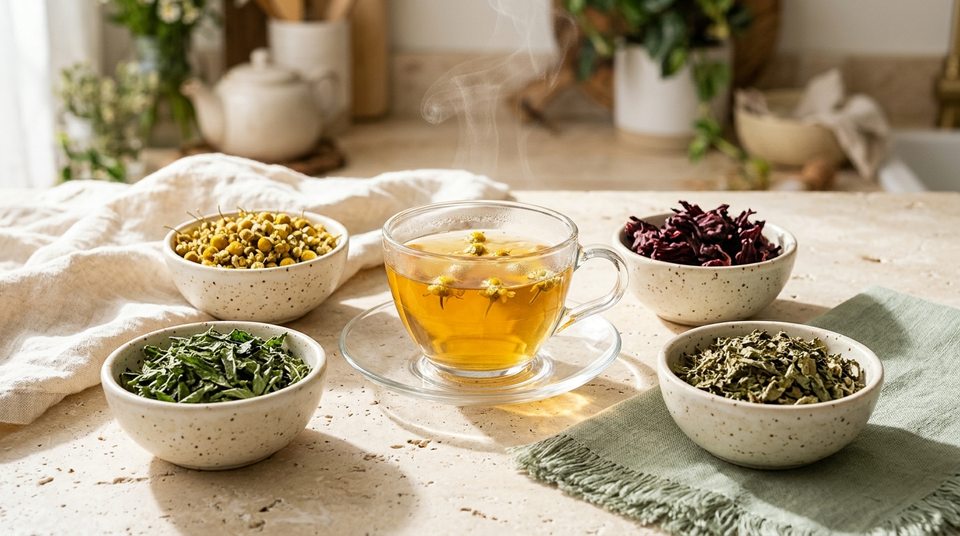
See the herb in context.
Watch our video guide The Most Powerful Herbs in the World, Explained and explore the plants it introduces.
Explore another herb.